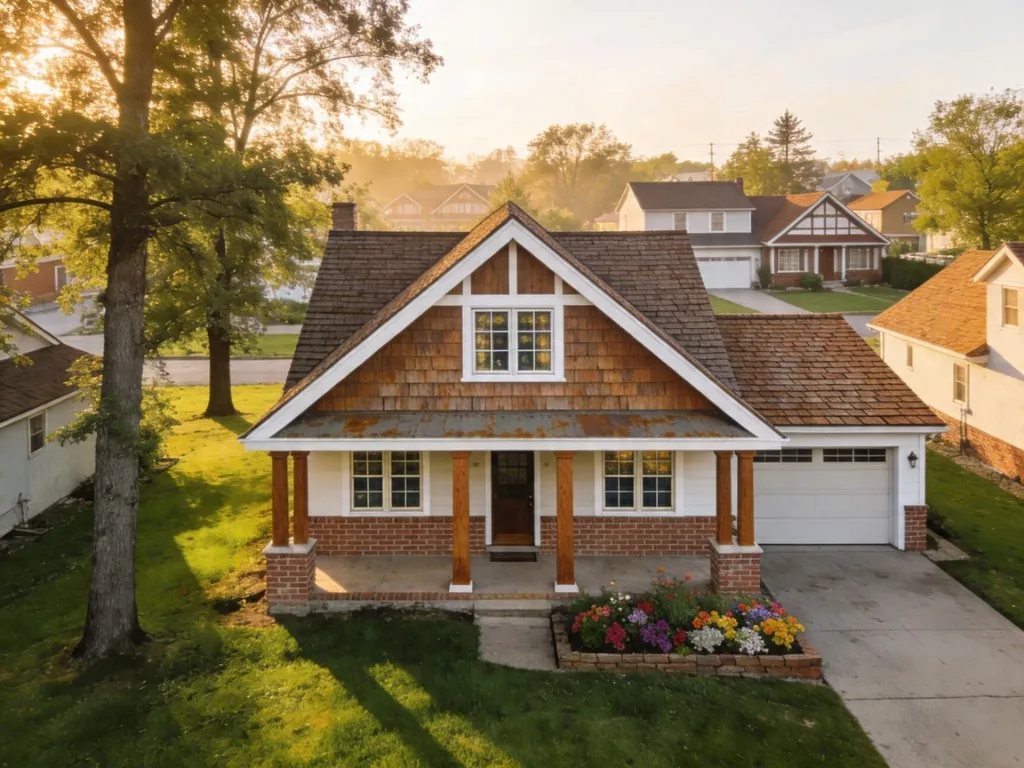
Home Pros is a veteran-owned cash home buyer working across the Charlotte metro, the Research Triangle, the Piedmont Triad, the coastal plain, and the mountains. We are not a national franchise reselling your lead to a local investor; you deal directly with our acquisitions team from the first phone call through closing, and every offer is backed by the same formula explained below, not a lowball opening bid meant to be negotiated up.
How It Works
Three steps, from your first call to cash in hand.
1. Tell Us About Your House
- Share the address and a few basic details
- No walkthrough required to get started
- Takes about two minutes
2. Get Your Cash Offer
- Fair, no-obligation offer within 24 hours
- Based on comparable sales and condition
- No appraisal contingency to wait on
3. Pick Your Closing Date
- Close in as little as 7 days
- Or choose a date that works, typically 14 to 30 days
- We cover the closing attorney's fee
How We Calculate Your Offer
The same formula every time, no lowball tactics.
We start with your home's likely after-repair value (ARV), the price it would sell for once it is fully updated. We subtract the estimated cost of repairs, then subtract a margin that covers our holding costs, the closing attorney's fee, and the risk of resale. What is left is your cash offer. You can run your own numbers with our cash offer vs. listing calculator.
Worked example: moderate repairs
North Carolina's statewide median listing price is $415,000, per the Federal Reserve Bank of St. Louis's FRED database (July 2026). For a typical 3-bedroom home near that value needing moderate repairs (roof, HVAC, some flooring): ARV around $415,000, minus $50,000 in estimated repairs, minus $62,000 in margin, holding, and closing costs, equals a cash offer near $303,000.
Worked example: light repairs
For a similar home that is mostly move-in ready and only needs cosmetic work (paint, fixtures, landscaping): ARV around $415,000, minus $10,000 in estimated repairs, minus $48,000 in margin, holding, and closing costs, equals a cash offer near $357,000. Fewer repairs and lower holding risk mean a smaller gap between ARV and offer. A home needing major structural or foundation work nets a lower offer than either example, since our repair estimate and holding time both go up. Charlotte and the Triangle tend to run above this statewide median, while much of the coastal plain and the mountains run below it, so your local page or acquisitions team can give you a tighter range for your specific county.
Cash Offer vs. Listing With an Agent in North Carolina
What each path actually costs and how long it takes.
Selling a House in North Carolina: The Rules
The statutes and deadlines that actually change your sale, wherever you are in the state.
North Carolina closings go through an attorney in practice
North Carolina does not have a single court ruling like some neighboring states, but the North Carolina State Bar's Authorized Practice Advisory Opinion 2002-1 holds that a licensed North Carolina attorney has to be physically present at a residential closing and has to personally perform the tasks that count as the practice of law: opining on title, explaining the legal status of the property, drafting the closing documents, and handling disbursement. A non-attorney closing agent cannot run that closing alone. What changes when you sell to Home Pros is who pays the attorney's fee (we do) and how much paperwork lands on you beforehand, since there is no listing agreement, financing contingency, or repair addendum to negotiate through counsel first.
Foreclosure: non-judicial power of sale, about 110 to 120 days
North Carolina forecloses under power of sale rather than through a full lawsuit, but it still runs through the clerk of court. On a primary residence, the loan servicer has to mail a pre-foreclosure notice at least 45 days before filing, listing housing-counseling resources, under G.S. Section 45-102. The clerk then holds a hearing on whether the sale can proceed under G.S. Section 45-21.16, the notice of sale has to be posted at the courthouse and advertised for at least 20 days before the sale under G.S. Section 45-21.17, and once the gavel falls, any bidder can top the winning bid for 10 more days under G.S. Section 45-21.27, with each new upset bid resetting that 10-day clock. Add it up and most North Carolina foreclosures run about 110 to 120 days from the first missed payment to a completed sale, which is real time to sell before the auction date.
Probate: real property passes at death, but a sale usually still needs the estate open
Unlike some states, North Carolina real property vests immediately in the heirs or devisees at the moment of death, subject to the personal representative's power to reach it for debts, under G.S. Section 28A-15-2(b). Heirs can sign a deed and sell directly, without the personal representative joining in, at any time before the estate's general notice to creditors is published, or any time at all if that notice is never published within two years of death, under G.S. Section 28A-17-12. Separately, a small-estate affidavit under G.S. Section 28A-25-1 can collect an estate's personal property, not real estate, when the whole estate is worth $20,000 or less, or $30,000 or less for a sole surviving spouse. Formal administration, when it is needed, typically runs 6 to 20 months, but we can put an offer in writing while that process is underway.
Disclosure law still applies to as-is sales
Selling as-is does not exempt you from the North Carolina Residential Property Disclosure Act (N.C. Gen. Stat. Chapter 47E); most sellers still have to complete a disclosure statement covering the roof, foundation, systems, and known defects. The Act exempts a personal representative signing as a fiduciary while administering an estate, but heirs selling directly under G.S. Section 28A-17-12 generally are not exempt. When you sell to Home Pros, we buy knowing the condition going in, so a completed disclosure does not turn into a repair-credit negotiation the way it often does with a financed buyer's inspection.
Excise tax: North Carolina's version of a transfer tax
North Carolina does not call it a transfer tax, but every deed recorded in the state is subject to an excise tax of $1 for every $500 of the sale price (or fraction of $500), under G.S. Sections 105-228.29 and 105-228.30. On a $415,000 sale that works out to about $830. A deed transferring property to a devisee or heir as part of an estate is exempt. By custom this is a seller-side closing cost; when you sell to Home Pros, it comes out of our side of the ledger, not yours.
Tenant notice periods, if you are selling a rental
A month-to-month tenancy in North Carolina can be ended with at least 7 days' written notice to quit before the termination date, under G.S. Section 42-14. The exception is a manufactured-home lot rental, which needs at least 60 days' notice. If you are selling a house with tenants in place, you do not have to end the lease first; we buy occupied rentals as-is and can work around an existing lease term.
Property taxes: due September 1, at face value through January 5
North Carolina property taxes are due September 1 and can still be paid at face value through January 5 of the following year under G.S. Section 105-360. A payment received January 6 or later picks up 2 percent interest right away, then three-quarters of a percent for every additional month it goes unpaid. If you are carrying a house you cannot afford to keep taxed and insured into the new year, that January 5 date is worth planning around, whether you sell to us or someone else.
This Quarter in North Carolina
Hurricane season runs through November 30
The Atlantic hurricane season officially runs June 1 through November 30, per the National Oceanic and Atmospheric Administration, so coastal, Sandhills, and even western North Carolina sellers still have weeks of storm and flood exposure left this quarter, a reminder Hurricane Helene made painfully clear for the mountains in 2024. If your house sustained wind, flood, or roof damage and you are choosing between an insurance claim, a repair, and a sale, we can make an as-is offer without waiting on a contractor bid or an adjuster's final number. Coupled with the January 5 property tax deadline covered above, fall is when a lot of North Carolina sellers decide whether to hold a distressed property through winter or sell it before year end.
Where We Buy Houses in North Carolina
Major metros, growing suburbs, and small towns, statewide.
Charlotte Metro
- Charlotte
- Concord
- Gastonia
Piedmont Triad
- Greensboro
- Winston-Salem
- High Point
Coastal Plain & Mountains
- Fayetteville
- Wilmington
- Asheville
Don't see your city listed with a link yet? We are actively building out dedicated pages for Fayetteville, Wilmington, Concord, Gastonia, Asheville, and High Point. Submit your address through the form above regardless; our acquisitions team covers all of North Carolina today.
Situations We Buy In
Whatever is going on with the property or your timeline, we can usually make it work.
Inherited a house
Skip the repairs, cleanout, and showings on a property you did not plan to keep, and split proceeds with co-heirs without one of you carrying the work. Read our inherited-house guide.
Facing foreclosure
We can often make an offer and close before the upset-bid window closes on your county's sale, which stops the foreclosure and can protect whatever equity you have left. See how selling can stop foreclosure.
Behind on property taxes
We factor unpaid county taxes and interest into your offer and pay them out of closing, so you are not writing a check before you can sell.
Tenants in place
We buy occupied rentals as-is, including ones with tenants behind on rent; no eviction required first and no lease to buy out. Learn more about selling with tenants.
Going through divorce
A fast, neutral cash sale can simplify splitting the proceeds when neither party wants to manage a listing during the split. See our divorce-sale guide.
Code violations or storm damage
Deferred maintenance, condemned notices, or hurricane and flood damage; we buy it as-is and handle repairs after closing. Read our code-violations guide.
Vacant or hard to manage
Stop paying insurance, utilities, and lawn care on a house that is sitting empty, especially if you moved out of state already.
Downsizing or relocating
Set your own closing date, whether that is 7 days out or 60, and skip months of showings and open houses before you move.
North Carolina Seller FAQ
Does North Carolina require an attorney to close on a house?
Yes, in practice. The North Carolina State Bar's Authorized Practice Advisory Opinion 2002-1 holds that a licensed North Carolina attorney has to supervise a residential closing and personally handle the tasks that count as the practice of law, including the title opinion, document preparation, and disbursement. A non-attorney cannot run that closing alone. When you sell to Home Pros, we cover the closing attorney's fee.
How long does foreclosure take in North Carolina?
North Carolina uses non-judicial power-of-sale foreclosure, and the full process typically runs 110 to 120 days from the first missed payment to the courthouse sale. On a primary residence, the servicer has to send a pre-foreclosure notice at least 45 days before filing under G.S. Section 45-102, the notice of sale has to be posted and advertised at least 20 days before the sale under G.S. Section 45-21.17, and every winning bid sits open to a higher upset bid for 10 more days under G.S. Section 45-21.27. We can often make an offer and close before the sale date.
Can I sell an inherited North Carolina house without going through full probate?
Sometimes. North Carolina lets an heir collect a decedent's personal property by small-estate affidavit when the entire estate is worth $20,000 or less, or $30,000 or less if the surviving spouse is the sole heir, under G.S. Section 28A-25-1. That affidavit does not itself transfer real estate. Real property vests in the heirs at death under G.S. Section 28A-15-2(b), and heirs can sell it directly before the estate's creditor notice is published, or any time if that notice is never published within two years, under G.S. Section 28A-17-12.
Do I have to disclose defects if I sell my North Carolina house as-is?
Usually, yes. The North Carolina Residential Property Disclosure Act (N.C. Gen. Stat. Chapter 47E) requires most sellers to complete a disclosure statement even in an as-is sale. The Act exempts a personal representative signing in a fiduciary capacity while administering an estate, but heirs who sell directly under G.S. Section 28A-17-12 generally are not exempt and still have to complete it. Selling to Home Pros does not remove the disclosure requirement, but it does remove the inspection-driven repair negotiation that usually follows it.
When are North Carolina property taxes due?
North Carolina property taxes are due September 1 and stay at face value through January 5 of the following year under G.S. Section 105-360. A payment received January 6 or later picks up 2 percent interest immediately, then three-quarters of a percent for every additional month it stays unpaid.
How much notice does a North Carolina landlord have to give to end a month-to-month rental?
At least 7 days' notice to quit before the termination date for a month-to-month tenancy, under G.S. Section 42-14. Manufactured-home lot rentals get a longer 60-day notice. If you are selling a rental property with tenants in place, you do not have to end the lease first; we buy occupied rentals as-is.
What does North Carolina's real estate excise tax cost, and who pays it?
North Carolina charges an excise tax of $1 for every $500 of a property's sale price (or fraction of $500) under G.S. Sections 105-228.29 and 105-228.30. On a $415,000 sale that is about $830. By custom the seller pays it, though a deed transferring property to a devisee or heir as part of an estate is exempt. When you sell to Home Pros, it comes out of our side of the closing statement, not yours.
Do you buy houses everywhere in North Carolina, or just certain cities?
We buy statewide, from the Charlotte metro and the Research Triangle to the Piedmont Triad, the coastal plain, and the mountains. We have dedicated pages and local buying activity in Charlotte, Raleigh, Durham, Greensboro, and Winston-Salem, and we are actively expanding into Fayetteville, Wilmington, Concord, Gastonia, Asheville, and High Point. If your city is not listed yet, submit your address anyway; our acquisitions team covers the whole state.
Do I have to make repairs before you buy my North Carolina house?
No. We buy houses as-is, including homes with foundation issues, storm damage, code violations, or years of deferred maintenance. We factor the repair cost into our offer up front so you never spend money on the house before you sell it.
How do you calculate my North Carolina cash offer?
We start with the home's likely after-repair value based on comparable sales, subtract the estimated cost of repairs, then subtract a margin that covers our holding costs, the closing attorney's fee, and resale risk. What is left is your offer, and we walk through the math with you before you sign anything.
Is Home Pros a legitimate company in North Carolina?
Yes. Home Pros is the trade name of Balint Holdings, LLC, a veteran-owned, BBB accredited company with a 4.9-star Google rating from 98 reviews. You can verify our BBB profile and Google reviews before you ever sign a contract, and every North Carolina closing still goes through a licensed North Carolina closing attorney.
More North Carolina Resources
Guides, tools, and the people behind the offers.
Written by
Trevor Rice
Co-founder and COO of Home Pros, and a licensed Texas real estate agent. Trevor oversees Home Pros' acquisitions across its service states, including North Carolina.
Updated September 19, 2026
Get a Fast Cash Offer in North Carolina
Share a few details and we'll deliver a fair, no-obligation offer within 24 hours.
Have questions? Call (830) 510-1597.